
Seizure-Alert Dogs: Life-Saving Service Companions
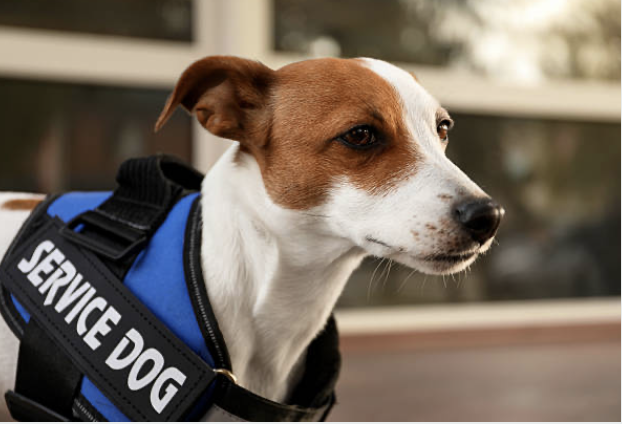
When we think of service dogs, the image that often comes to mind is a guide dog for the blind or a hearing dog for the deaf. But service dogs are trained to support people in many different ways—including those who live with epilepsy or seizure disorders. Seizure-alert dogs and seizure-response dogs play a vital role in helping their partners stay safe, independent, and confident in daily life.
What Are Seizure-Alert Dogs?
Seizure-alert dogs are trained to recognize subtle changes in their person’s behavior or scent before a seizure occurs. Remarkably, this ability appears to be innate in some dogs, which is why testing for this talent is an important part of their selection and training.
Alert behaviors may include:
Whining or barking
Pawing or nudging
Pacing or circling
Staring intently at their handler
Most importantly, these dogs are trained to be persistent. They continue alerting until they have their handler’s full attention—giving them time to take precautions, such as lying down, taking medication, or calling for help.
What Are Seizure-Response Dogs?
Not all service dogs can alert in advance, but seizure-response dogs are trained to assist during or after a seizure. Depending on their training, they may:
Activate a medical alert system or alarm
Retrieve a phone or medication
Seek out another person for help
Provide physical protection by lying next to their handler to prevent injury
Many seizure-alert dogs are trained in these response skills as well, giving their handlers a double layer of support.
Why Seizure-Alert Dogs Matter
For people living with seizure disorders, unpredictability is one of the greatest challenges. Seizure-alert and response dogs provide:
Safety – Warning their partner or protecting them during an episode.
Independence – Reducing the need for constant human supervision.
Confidence – Offering peace of mind in daily life, from running errands to working or socializing.
These remarkable dogs save lives—and they also provide unconditional companionship and love.
Training: The Foundation of Service
Not every dog has the instinct to detect seizures, but all service dogs require extensive, specialized training to master the skills that keep their people safe. This training builds on the same foundation used in family dog training: positive reinforcement, consistency, and clear communication.
At Courteous Canine, we may not train seizure-alert service dogs directly, but we use the same science-based methods to:
Teach dogs focus and persistence in their work.
Build strong, reliable behaviors even under distraction.
Foster calm, cooperative relationships between dogs and their people.
Whether your dog is destined for service work or simply life as a cherished companion, these training principles help them thrive.
Learn More
And if you’d like to strengthen your bond with your own dog—through reliable obedience, enrichment, or behavior support—
contact Courteous Canine today. We’ll help you unlock your pup’s potential.
Serving families in Wakefield, South Kingstown, Narragansett, and surrounding Rhode Island communities.