
Guide Dogs: Fascinating Facts About These Life-Changing Companions
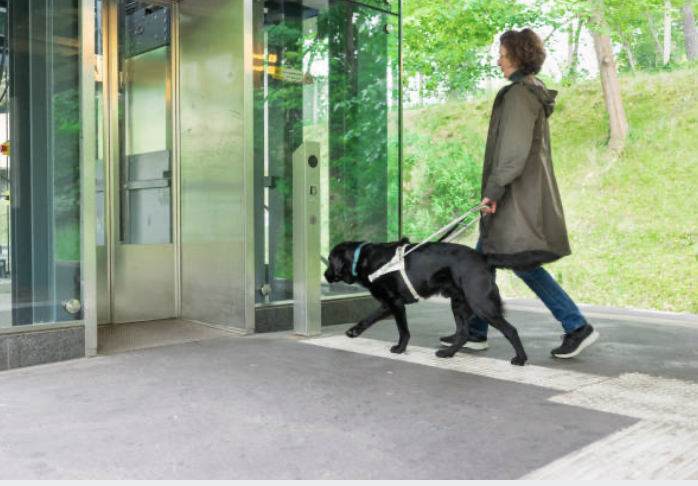
When most people think of assistance animals, the first image that comes to mind is a guide dog—a loyal Labrador Retriever, Golden Retriever, or German Shepherd leading their handler safely across a busy street. These extraordinary dogs provide independence, safety, and confidence for people who are blind or visually impaired.
But did you know there are some surprising facts about guide dogs that most people don’t realize?
1. Guide Dogs Don’t Read Traffic Signals
It may look like the dog is making decisions at the crosswalk, but the truth is a bit more complex. Guide dogs take directional cues from their handlers, who judge traffic by sound and then issue a command like “forward.”
Here’s where it gets incredible: if it’s not safe to cross, the guide dog has been trained in something called intelligent disobedience. That means the dog will refuse the command and wait until it’s safe. This life-saving skill takes incredible training, judgment, and focus.
2. Why You Shouldn’t Pet a Working Guide Dog
Most people know not to pet a working guide dog, but the reason is more serious than you may think.
When you reach out to pet, talk to, or distract a guide dog, it’s not just a cute moment—it’s the equivalent of grabbing the wheel from someone who’s driving. Public interference is one of the biggest challenges guide dog handlers face every day.
So, the best way to show respect? Admire from a distance and let the dog stay focused on their vital work.
3. Perfect Matches Are Key
Guide dogs aren’t assigned at random. In fact, dogs are carefully matched to their new partners based on:
Personality – Calm dogs may suit quieter handlers, while confident dogs may work better with outgoing people.
Lifestyle & living arrangements – City dwellers may need dogs used to traffic and noise, while suburban handlers might benefit from different traits.
Walking speed & pull preferences – Even the pace of the handler’s stride is matched to the dog’s natural gait.
The result is a partnership that’s not just practical but deeply personal, often lasting for years.
What Guide Dogs Teach Us About Training
While not every dog is destined to be a guide dog, their training highlights the power of positive reinforcement, consistency, and communication.
At Courteous Canine, we use many of the same principles to help family dogs thrive:
Teaching reliable cues like come, wait, and leave it.
Building focus even in distracting environments.
Encouraging calm, cooperative behavior in everyday life.
Training may not turn your dog into a guide dog, but it can transform them into a well-mannered, confident companion who brings joy and safety into your life.
Ready to Train Your Own Everyday Hero?
Guide dogs remind us just how amazing the human-canine bond can be. With the right training, your dog can become a well-behaved, trusted partner in your daily adventures.
Contact Courteous Canine today to learn how our positive reinforcement training can bring out the best in your dog.
Serving families in Wakefield, South Kingstown, Narragansett, and surrounding Rhode Island communities.