
Diverse Species on Earth
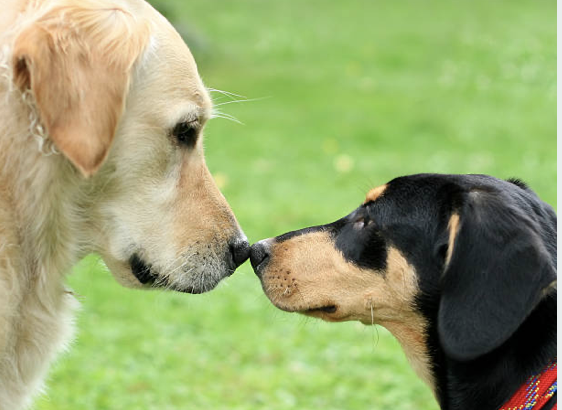
Is “one-of-a-kind diversity” a contradiction in terms? Not when it comes to dogs. Canis familiaris is the only species on the planet with such incredible variety: the towering Great Dane and the tiny Chihuahua, the sleek Dachshund and the muscular Rottweiler, the elegant Afghan Hound and the playful Yorkshire Terrier. Today, there are around 400 recognized breeds—and countless mixes—within this one species.
So, how did dogs become so diverse? The answer lies in their unique bond with us.
The Dog-Human Partnership
Dogs have been by our side for at least 15,000 years, and possibly much longer. Some studies suggest humans domesticated dogs as far back as 40,000 years ago. Around those early campfires, a partnership began—one that shaped both species.
Because of this bond, we’ve bred dogs to meet our work and leisure needs for millennia:
Collies and Kelpies to herd sheep.
Huskies to pull sleds across frozen landscapes.
Afghan Hounds and Basenjis to assist with hunting.
This purposeful breeding, paired with natural selection (larger dogs in cold climates, for example), explains much of the dazzling variety we see today.
Plastic DNA: A Survival Superpower
What truly sets dogs apart, however, is their remarkably flexible DNA. Unlike many species, dogs can adapt and change quickly, both in body and behavior, across just a few generations. This genetic “plasticity” is why we’ve been able to deliberately cultivate traits like:
Digging skills for terriers.
Long noses for scent hounds.
Skin folds for breeds that track smells.
Nobody knows exactly why dogs have this evolutionary advantage. Some believe it’s simply an accident of evolution—like elephants and their trunks. Others argue it’s a survival skill that developed through their close contact with humans.
The evidence? Today there are an estimated 900 million dogs worldwide, compared to about 200,000 wolves left in the wild. Clearly, dogs have not just adapted—they’ve thrived.
What This Means for Today’s Dog Owners
This “genius for survival” makes dogs endlessly adaptable companions. Whether you have a high-drive working breed, a laid-back lapdog, or a mixed-breed mystery, your dog carries within them thousands of years of partnership with humans.
But adaptability doesn’t mean automatic good behavior. Without training, even the most lovable pup can develop habits that clash with human life—pulling on leash, jumping on guests, or barking excessively. Training helps bridge the gap between your dog’s instincts and your lifestyle.
At Courteous Canine, we use positive reinforcement and science-based methods to:
Channel your dog’s natural instincts into healthy outlets.
Build communication and trust between you and your dog.
Create a calmer, more cooperative household.
Helping Your Dog Thrive in Today’s World
Dogs have survived—and thrived—for thousands of years because of their bond with us. Today, that bond is just as important. Training isn’t about changing who your dog is—it’s about helping them succeed in the modern world, while honoring the traits that make them unique.
Contact Courteous Canine today to discover how our training programs can help your one-of-a-kind pup thrive.
Serving families in Wakefield, South Kingstown, Narragansett, and surrounding Rhode Island communities.