
Bad Breath in Dogs: Causes, Prevention, and What Owners Should Do
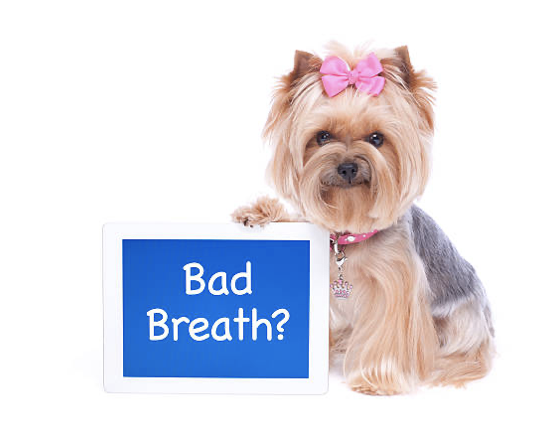
Does your dog have bad breath? You’re not alone. Canine halitosis is a common issue, but it’s not something you—or your dog—should have to live with. That unpleasant odor, often brushed off as “normal dog breath,” usually signals an underlying dental or gastric problem. In some cases, sudden or unusually foul breath may even point to more serious illness.
The good news? Bad breath is highly treatable, and with the right care, you can help your dog enjoy fresh breath and better long-term health.
Why Bad Breath Happens in Dogs
The smell of bad breath is most often caused by bacteria in your dog’s:
Mouth – Plaque, tartar, and gum disease are the leading culprits.
Stomach – Digestive issues may produce unpleasant odors.
Lungs – In rare cases, respiratory conditions can affect breath.
Since bad breath is typically a symptom, not the problem itself, it’s important to address the root cause. A trip to the veterinarian can help rule out serious conditions and get your dog on the right track.
Why Oral Hygiene Matters for Dogs
Just like humans, dogs need regular oral care for both comfort and health. Poor dental hygiene can lead to:
Painful gum disease
Tooth loss
Difficulty eating
Bacteria spreading to the heart, liver, and kidneys
Think of brushing your dog’s teeth as part of their overall wellness routine, just like daily exercise and training.
Tips for Preventing Bad Breath in Dogs
Follow these steps to improve your pup’s breath and oral health:
Feed high-quality food – Diet directly impacts dental and digestive health.
Brush your dog’s teeth regularly – Daily is best; twice a week is the minimum. Use a dog-specific toothbrush and toothpaste (never human toothpaste).
Provide safe chew toys – Chewing is nature’s way of cleaning teeth and gums.
Choose quality breath-improvement products – Some products work well, but research before buying—many “breath fresheners” are just treats in disguise.
How Training Can Help with Dental Care
Brushing a dog’s teeth or handling their mouth isn’t always easy—especially if they aren’t used to it. That’s where training makes all the difference.
At Courteous Canine, we teach cooperative care techniques so your dog learns to:
Tolerate tooth brushing without stress.
Stay calm while having their mouth handled.
Accept grooming and vet visits more comfortably.
These skills not only make daily dental care easier but also reduce anxiety at the vet—keeping your dog healthier and happier.
Keep Your Dog Healthy, Happy, and Fresh
Bad breath isn’t “just dog breath”—it’s a sign your dog needs a little extra care. With good nutrition, daily brushing, safe chew toys, and cooperative training, you can prevent dental issues and keep your pup feeling their best.
Contact Courteous Canine today to learn how our training programs can help make at-home care—like tooth brushing—stress-free for both you and your dog.
Serving families in Wakefield, South Kingstown, Narragansett, and surrounding Rhode Island communities.