
Let Them Sniff: Why Sniffing Is Essential for Your Dog’s Well-Being
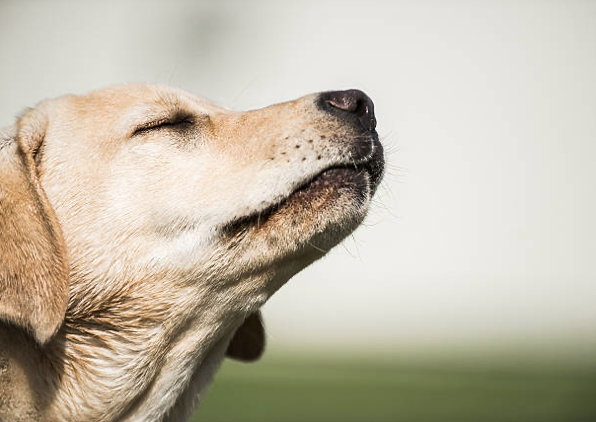
We all know that dogs need daily exercise to thrive. Long walks, play sessions, and cardio activities like fetch or running help keep their bodies healthy. But in the rush to provide physical activity, many owners overlook another equally important need: the need to sniff.
Sniffing isn’t just a casual pastime for dogs—it’s central to how they understand and interact with their world.
A Dog’s Nose Knows More Than We Imagine
On a walk, you and your dog may be side by side, but you’re experiencing completely different worlds. Humans rely primarily on vision to make sense of the environment. Dogs, on the other hand, process the world through their incredible sense of smell.
With up to 300 million scent receptors (compared to our six million), dogs can gather remarkable amounts of information with just a sniff. For example, a simple patch of grass can reveal:
The gender, age, and health of another dog who passed through
What they ate for their last meal
How long ago they were there
Even their emotional state
Sniffing is more than curiosity—it’s communication, problem-solving, and enrichment rolled into one.
Sniffing = Mental Exercise
Think of sniffing as your dog’s version of reading, solving puzzles, or diving into a new hobby. Where humans engage their minds through books, work, and problem-solving, dogs use their noses to stay sharp.
That’s why sniffing isn’t a distraction from exercise—it is exercise, just of a different kind. A truly fulfilling dog walk balances:
Physical activity (walking, jogging, or running)
Mental activity (sniffing, exploring, and interpreting scents)
Both are vital for your dog’s overall well-being.
How to Make Walks More Enriching
Here are a few simple ways to encourage your dog’s natural sniffing instincts while still keeping walks productive:
Allow sniff breaks – On short potty walks, let your dog set the pace and investigate interesting spots.
Mix sniffing with cardio – On longer walks, alternate between structured walking/running and “sniff zones.”
Incorporate games – Add in rounds of fetch, tug, or “find it” scent games at home or on walks for extra engagement.
Remember mental fatigue counts – A dog who’s been using their brain (or nose!) can be just as tired as one who ran for miles.
So next time you grab the leash, consider asking your pup: “Wanna go for a sniff?”
How Training Supports Enrichment
While sniffing is important, it works best with balance. A dog that drags you from smell to smell can make walks frustrating. That’s where training and enrichment come together.
At Courteous Canine, we can help your dog learn to:
Walk politely on a loose leash, even with distractions.
Respond to cues like leave it or wait while still enjoying sniff breaks.
Use scent games and training as outlets for mental enrichment at home.
When sniffing is combined with structure, walks become more enjoyable for both dog and human.
A Better Walk, A Happier Dog
Sniffing isn’t just an indulgence—it’s a biological and emotional need for your dog. By giving them time to explore the world through their nose, you provide mental stimulation, stress relief, and joy.
Contact Courteous Canine today to learn how our training programs can help you balance exercise, enrichment, and manners for the best walks of your life.
Proudly serving families in Wakefield, South Kingstown, Narragansett, and surrounding Rhode Island communities.